
Devotional Reflection
The Passion Flower: A Living Reminder of Christ’s Passion
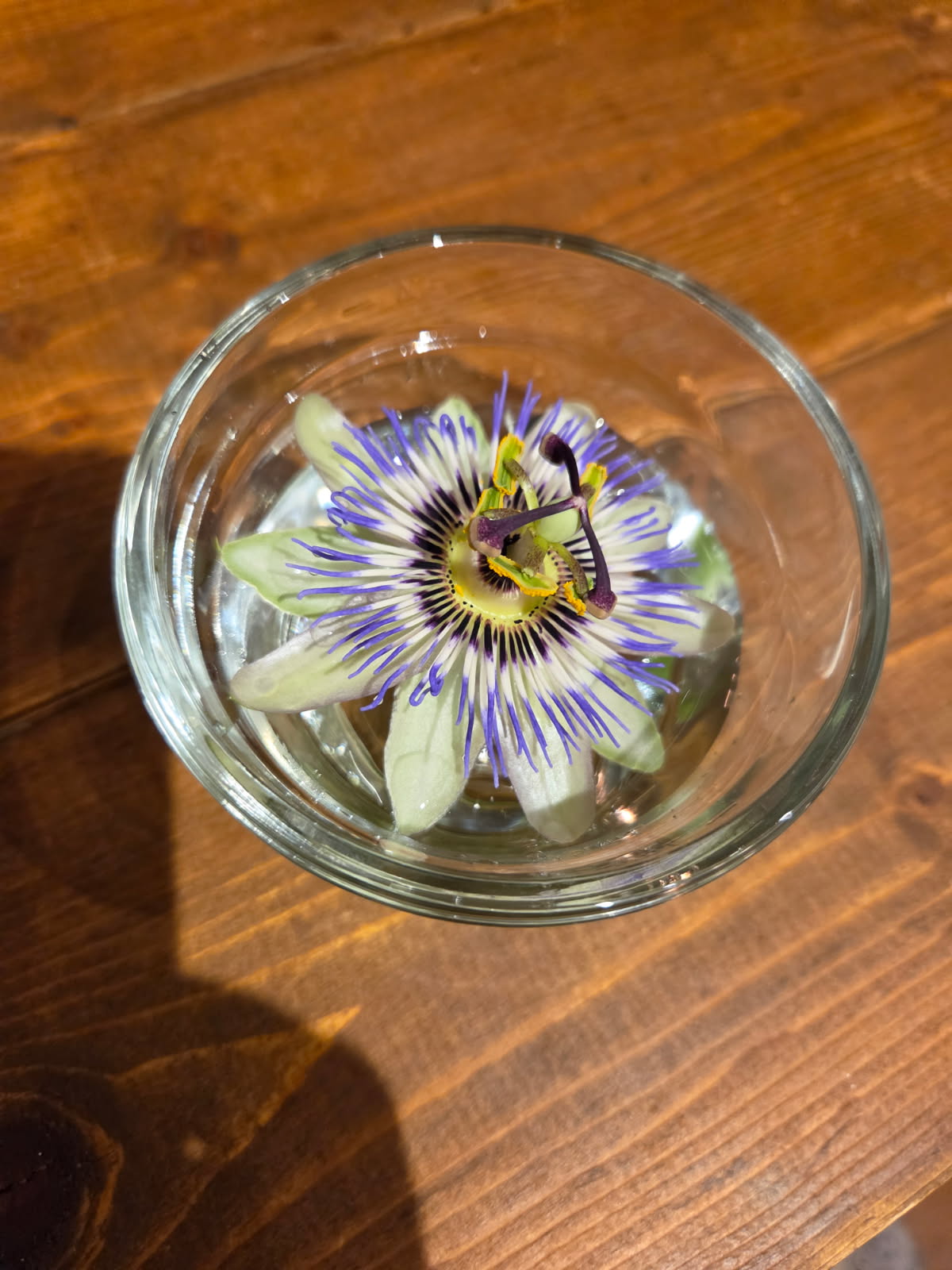
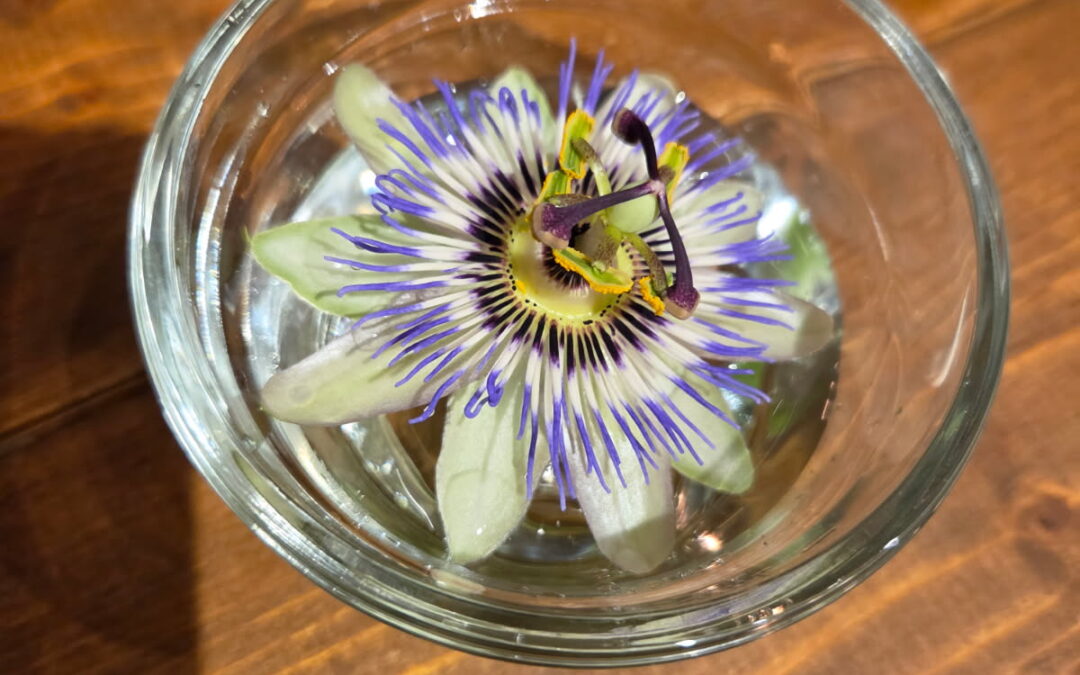
At first glance, the passion flower looks almost too intricate to be real. Its radiating filaments, distinctive central structures, and graceful petals make it one of the most striking flowers in the garden. For many Christians, that unusual form has also invited a deeper kind of looking: a meditation on the Passion of Jesus.
The flower’s name is commonly associated with Christian interpretations that connect its parts to the story of Christ’s suffering. In popular devotional symbolism, the ring of filaments is seen as a crown of thorns, the three styles at the center as the nails of the Crucifixion, and the five anthers as a reminder of Christ’s wounds. The petals and sepals are sometimes associated with the apostles who remained faithful. These are traditional reflections, not official Church teaching, and interpretations can differ.
That distinction doesn’t lessen the flower’s value as a devotional image. It simply lets us appreciate it honestly: nature offers a beautiful prompt for prayer, while the meaning of Christ’s Passion comes from the Gospel.
Beauty that points beyond itself
A passion flower does not explain suffering, and Christian faith does not ask us to call suffering beautiful or to ignore another person’s pain. Rather, it points us toward the central Christian hope: Christ entered human suffering, and the Resurrection means that suffering and death do not have the final word. Pope John Paul II describes the Cross and Resurrection as the mystery through which human suffering can be opened to God’s saving power and to hope.1
The flower can therefore become a small invitation to remember Christ’s self-giving love—and to notice people who are suffering now. Christian reflection on the Cross is not only about looking backward to what Jesus endured; it also calls believers to remain present to the sick and lonely with compassion and practical care.2
A simple way to reflect
The next time you see a passion flower, pause for a moment. Notice its intricate center and radiating filaments. Let them bring to mind the Passion, then remember that the Christian story does not end at the Cross. The Resurrection opens a future of hope, even when we cannot yet see how pain will be healed.31
The passion flower is not a substitute for Scripture or prayer. It is a reminder that even a blossom can turn our attention toward the mystery at the heart of Christian faith: Christ’s love remains present in suffering, and hope is stronger than death.
Notes
- Pope John Paul II, Salvifici Doloris (On the Christian Meaning of Human Suffering), 1984, nos. 19–20: in the Cross of Christ “not only is the Redemption accomplished through suffering, but also human suffering itself has been redeemed,” and “the eloquence of the Cross and death is, however, completed by the eloquence of the Resurrection.” ↩
- John Paul II, Salvifici Doloris, nos. 28–30, on the parable of the Good Samaritan: “We are not allowed to ‘pass by on the other side’ indifferently; we must ‘stop’ beside him.” See also Matthew 25:36, “I was sick and you visited me.” ↩
- John Paul II, Salvifici Doloris, nos. 21–22: “For through faith the Cross reaches man together with the Resurrection,” and “to the prospect of the Kingdom of God is linked hope in that glory which has its beginning in the Cross of Christ.” ↩